Why Venue Design Matters for Corporate Events and Conferences
When it comes to orchestrating successful corporate events and conferences, countless details must come together seamlessly, ranging from technology and refreshments to guest accommodations and entertainment. However, one of the most fundamentally important elements is often overlooked: the design of the venue itself. Venue design is about much more than aesthetics; it’s a strategic driver that quietly influences engagement, communication, productivity, and even the overall impression a business leaves on its attendees.
First Impressions Count
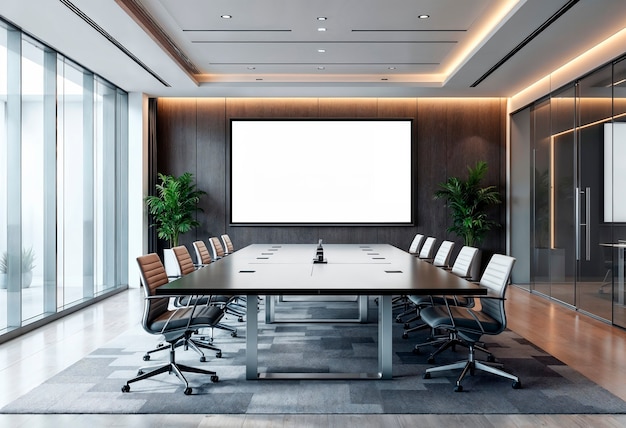
The moment attendees walk through the doors, the venue’s design sets the tone for your event. An inviting, well-planned space creates immediate excitement and anticipation, while an uninspiring or cluttered environment can deflate energy before the agenda even begins. The choice of colors, lighting, signage, and the way space is utilized all play a part in creating the first impression. Thoughtful design elements—even those as simple as natural light or spacious lobbies—can help guests relax, network more freely, and become more receptive to the experience you’ve crafted.
Supporting Brand Identity and Messaging
Every corporate event is an opportunity to showcase your organization’s brand and values to a captive audience. The venue becomes a physical extension of your brand. Its architecture, furnishings, and unique features should align seamlessly with the story you want to tell. For example, a technology conference in a modern, high-tech building instantly reinforces a company's innovative culture, while a leadership retreat in a serene, nature-inspired venue sends a completely different message about creativity and restoration. Ultimately, design is a powerful vehicle for brand storytelling.
Functionality and the Value of Conference Room
Designing for function is just as important as designing for style. An intelligently laid-out space ensures smooth transitions between sessions, dining, breakout conversations, and networking. This is where the importance of it becomes evident. Not every organization has a dedicated space to accommodate diverse event needs, and hiring purpose-built conference rooms can provide access to flexible layouts, cutting-edge technology, and adaptable configurations.
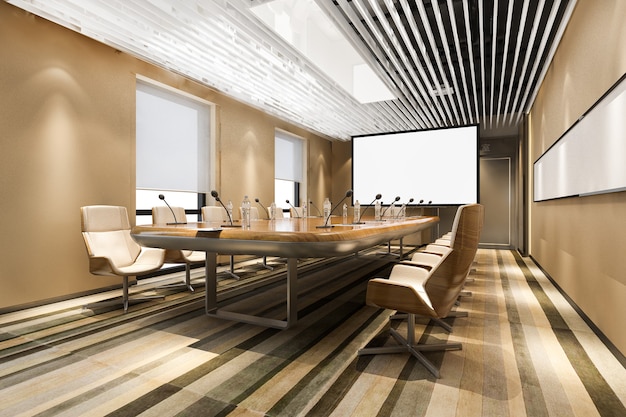
Modern venues often offer a range of hireable spaces—intimate boardrooms for private meetings, open halls for keynotes, and breakout areas for workshops and brainstorming sessions. These hired rooms are usually equipped with high-quality audio-visual systems, comfortable seating, and high-speed connectivity, all of which are essential for keeping participants engaged and productive. Selecting a venue with versatile conference room hire options also allows for scalable events, whether anticipating small executive meetings or larger industry gatherings.
Enhancing Comfort and Well-being
Attendee comfort has a surprising impact on the success of any corporate gathering. Ergonomically designed furniture, adequate space between tables, proper ventilation, and access to natural light can boost alertness and concentration throughout long days of sessions. Venues that pay attention to ambient noise, temperature control, and lighting allow guests to focus more fully on the content and less on potential sources of discomfort. Additionally, thoughtfully designed lounge areas, quiet zones, and even refreshment stations promote networking and informal exchange—vital ingredients for memorable events.
Flexibility Fuels Creative Agendas
Corporate events no longer stick to a rigid, one-size-fits-all agenda. Today’s planners want to create memorable experiences with dynamic schedules—panel talks, workshops, demos, and networking lounges built into the program. A well-designed venue offers adjustable spaces, movable walls, and multipurpose areas that can quickly adapt to changing needs. Whether you need to set up for a keynote address for one hour, and transform the room for group activities the next, the right design makes these transitions seamless and efficient.
Leveraging Technology Through Smart Design
Modern corporate events depend on a robust technology infrastructure. Venues designed with integrated tech, such as wireless charging stations, built-in screens, projectors, fast Wi-Fi, and smart sound systems, empower speakers and participants alike. Tech-forward venues also enable hybrid and virtual elements, ensuring remote attendees have an equally meaningful experience. Seamless integration reduces technical hiccups, which means less stress for organizers and a more professional overall experience.
Accessibility and Inclusivity
The most effective event venues consider accessibility as a core design principle. This includes everything from wheelchair ramps and elevators to braille signage and accessible restrooms. A space that is easily navigable for all attendees not only meets legal requirements—it demonstrates inclusivity, broadens your reach, and strengthens your company’s commitment to diversity.
Leaving a Lasting Impression
Events are about creating memories. Great venue design fosters better interaction, improved focus, and a more engaging environment, ensuring the details of your event remain with attendees long after the last session has ended. The versatile, branded, comfortable, and technologically equipped space becomes the canvas for innovation and shared moments, reflecting positively on your company and its people.
Conclusion
In today’s fast-paced, experience-driven corporate world, venue design has moved from a simple checklist item to a strategic priority. A well-designed venue can set the tone, reinforce your brand, enhance comfort, and deliver technological functionality—key factors in exceeding your attendees' expectations. The availability of flexible conference room hire ensures that organizations can focus on their event goals while relying on a venue that adapts to their specific needs. Ultimately, investing in venue design isn’t just about looks; it’s about laying the groundwork for your event’s success and ensuring that your message and brand resonate long after the event.


Comments
Post a Comment